
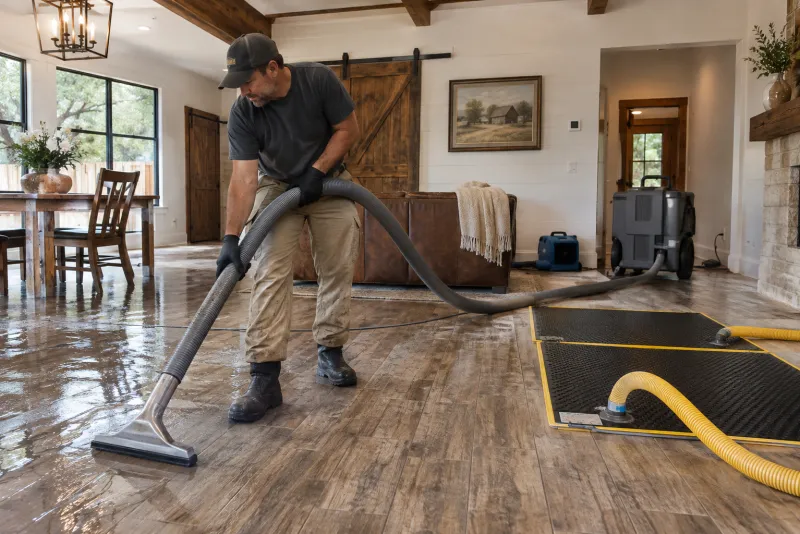
Emergency Water Extraction
Truck-mount extraction and moisture mapping for standing water in finished homes and rural properties.
Get help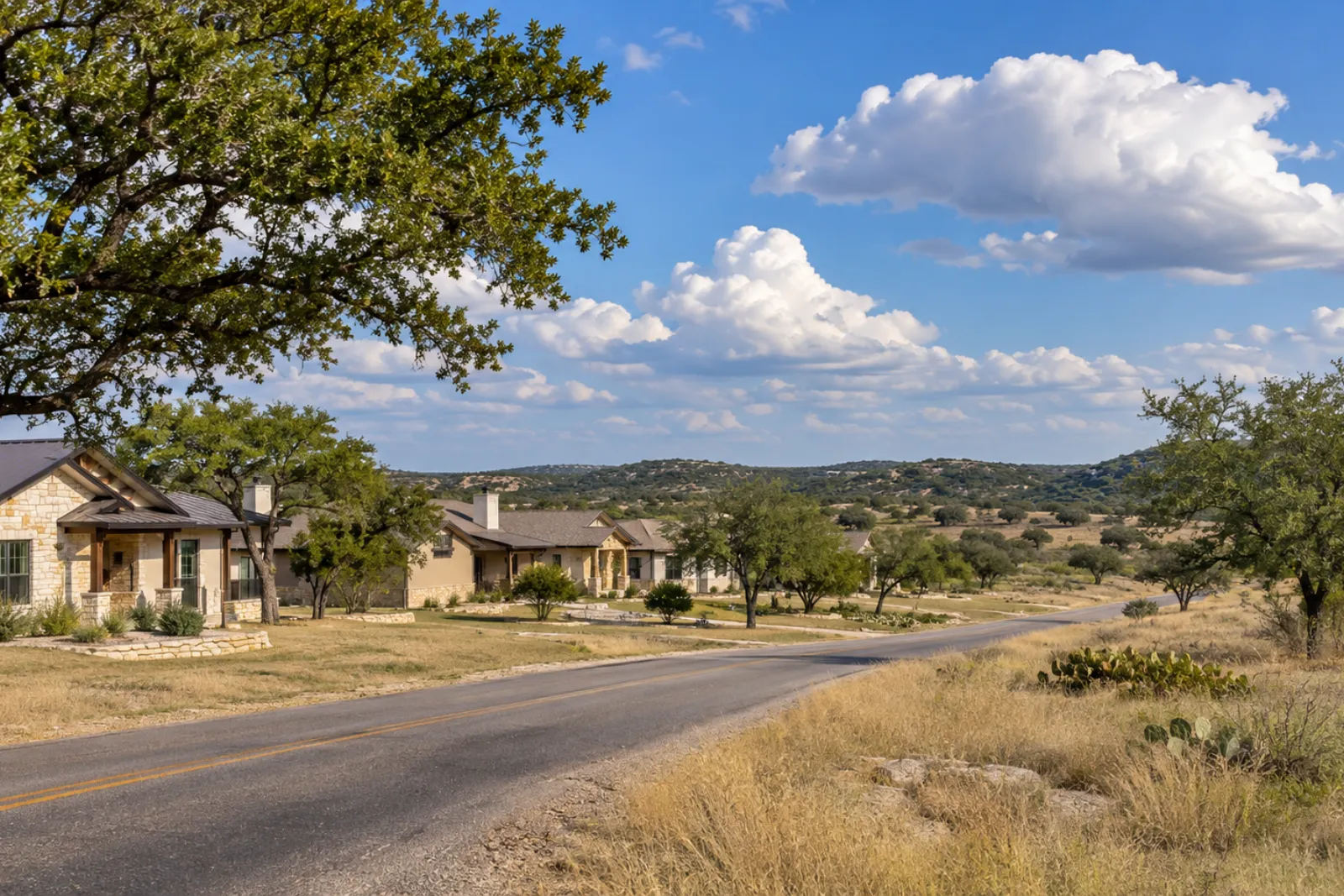
Leander's growth has filled former ranch land with new slab homes, while Old Town and established neighborhoods still carry older plumbing and drainage patterns.
Call (512) 555-0144 Or see how to reach dispatch. Calls are answered 24/7.Leander runs south of Liberty Hill along US 183 and the 183A corridor, with Old Town near the rail line and large newer neighborhoods spreading west and north. Crystal Falls follows the hillier terrain near the edge of town, while Travisso and surrounding developments have brought dense new construction to former open land.
That mix changes the water-damage call. In a newer two-story house, an upstairs laundry hose, water heater or attic line can affect both floors before the source is found. In older homes closer to the original town, aging supply lines, crawlspace moisture and roof leaks may be more relevant than a new-build plumbing connection.
Leander's fast buildout also means grading and drainage can still be evolving around homes. Heavy Hill Country rain moves quickly across shallow soils and rocky ground. Water entering at a patio door, garage threshold or roof penetration needs to be separated from a plumbing loss before drying and repair can be planned correctly.
The housing age and rapid development around Leander create several repeat water-loss patterns.
Laundry rooms and bathrooms above finished space can send water through ceilings, insulation and wall cavities before a homeowner sees it below.
Many newer homes carry water lines through the attic. A freeze or failed fitting can release water across several rooms from above.
Rocky ground sheds intense rain quickly. Poorly directed downspouts or low thresholds can put water into garages, patios and first-floor rooms.
Hail and high wind can open a path into the attic. Wet insulation may hold water long before a ceiling stain becomes visible.
The first goal is to stop the source and identify every wet material, not to guess from the most visible stain.
The same crew handles truck-mount extraction, water-category documentation, drying, contamination cleanup and repair.
Truck-mount extraction and moisture mapping for standing water in finished homes and rural properties.
Get help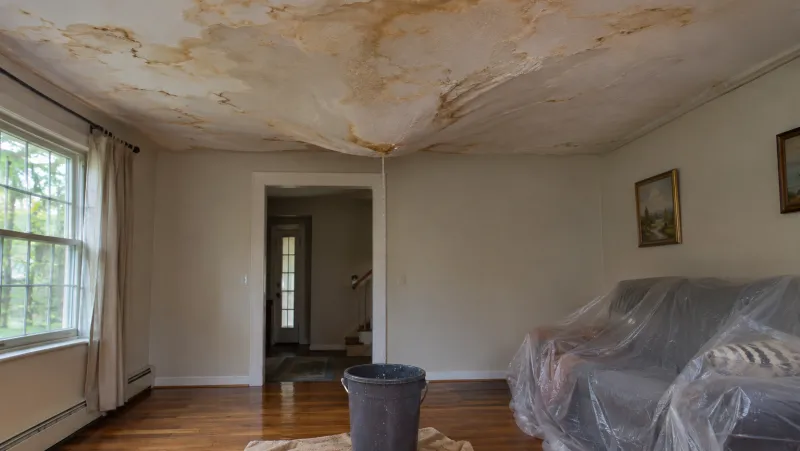
Slab leaks, runoff at foundations and moisture beneath wood, tile and other finished floors.
Get help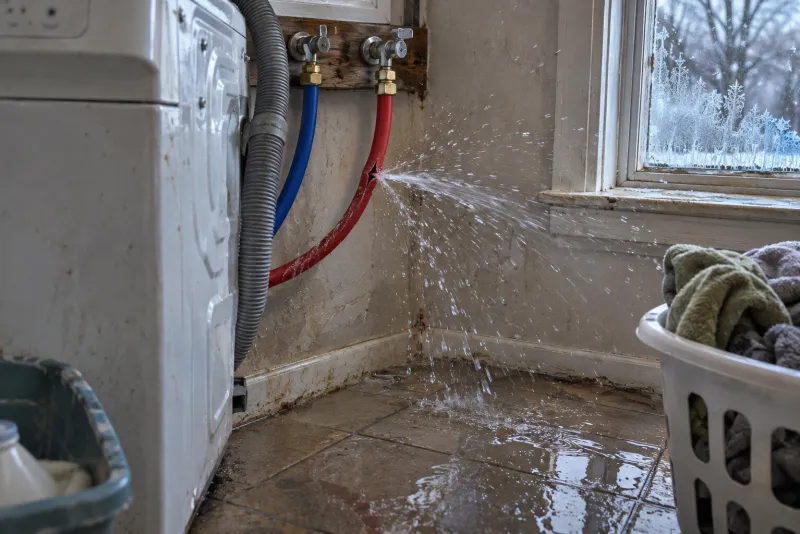
Hard-freeze splits, attic or garage water-heater failures and ceiling stains traced to the source.
Get help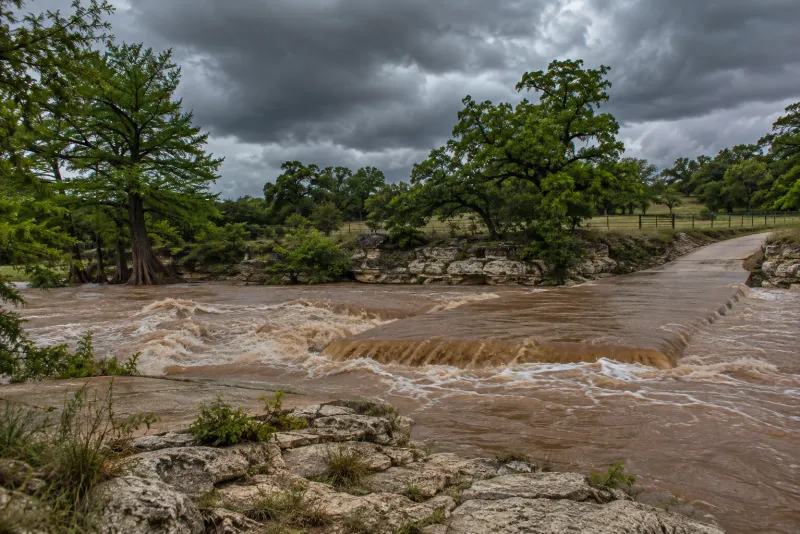
Hail-damaged roofs, wind-driven rain and ceiling leaks after summer thunderstorms or ice storms.
Get help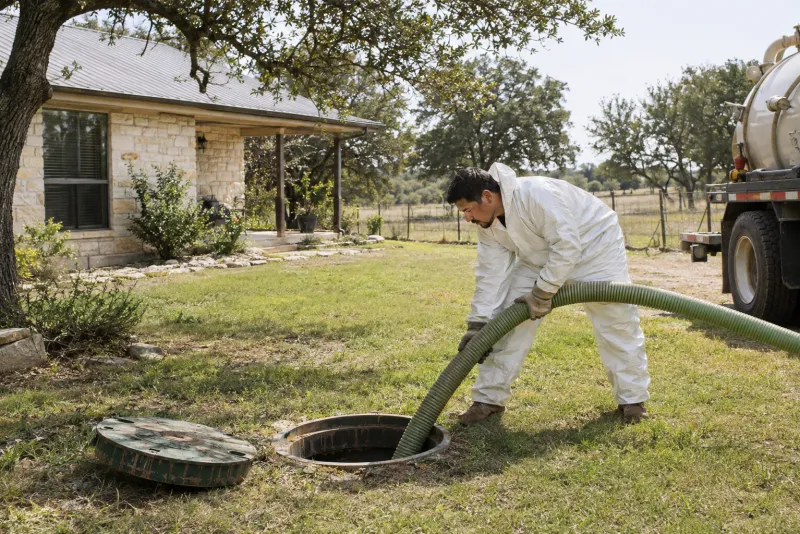
Contaminated septic and sewage losses handled with containment, antimicrobial cleaning and controlled removal.
Get help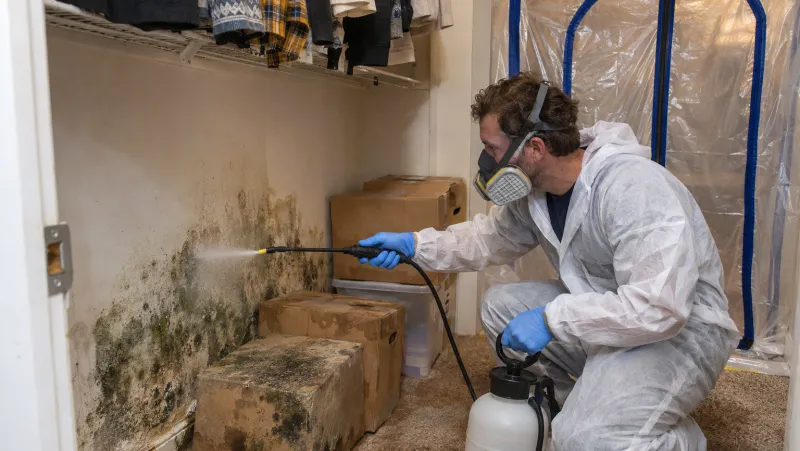
Containment, HEPA filtration and repairs after drying has been verified with readings.
Get helpLocal knowledge matters when the housing stock changes block by block.
78641 · Established homes near the rail line. Aging plumbing, roof leaks and varied foundation types.
78641 · Hill Country lots and rockier terrain. Runoff, roof leaks and garage-threshold water.
78641 · Newer homes west of 183. Upstairs laundry, attic plumbing and appliance-line failures.
78641 · Growing residential area. Water heaters, supply valves and storm-driven roof leaks.
78641 · Retail and multifamily properties. Sprinkler, rooftop-unit and overnight supply breaks.
78641 · Newer subdivisions near the Liberty Hill side. Construction transitions and drainage concerns.
These are the signs that usually justify a moisture inspection rather than a wait-and-see approach.
No mystery, no pressure. Here is the sequence from the first call to the final verified reading.
We confirm the address, likely source and whether the water is contaminated. You get safety guidance before the crew leaves.
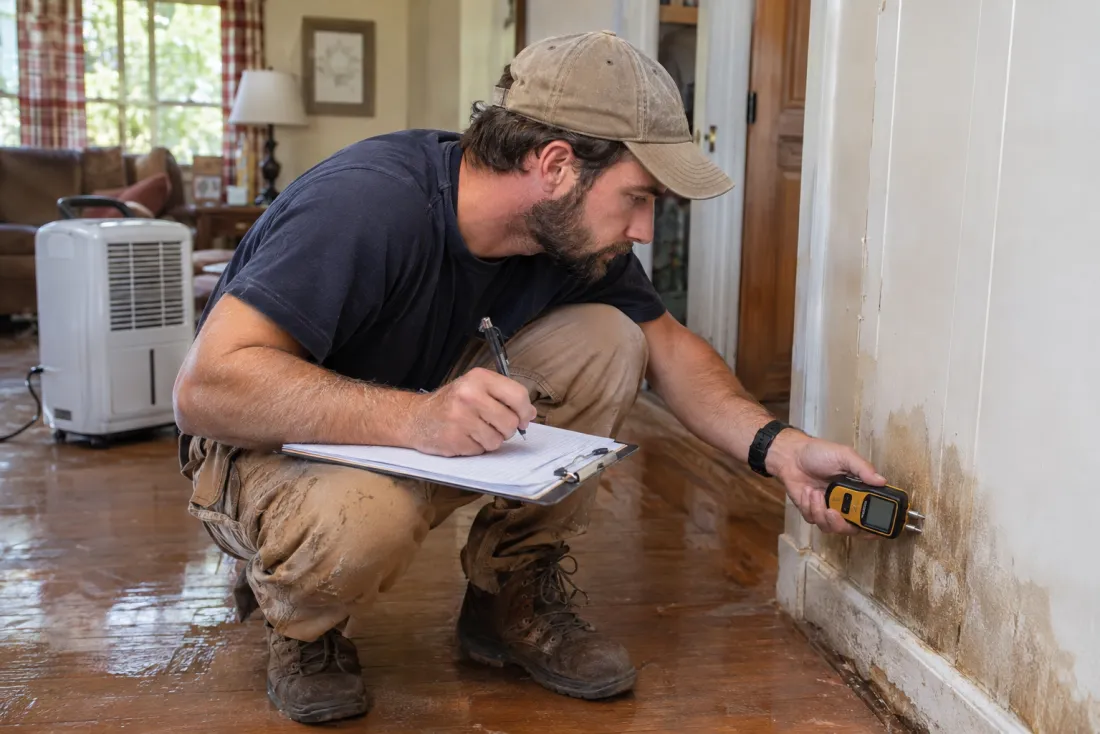
Meters and a thermal camera map the affected area. We document the water category and class, photograph materials and record readings.
Standing water is extracted. Saturated carpet, pad and material that cannot dry in place are removed and documented. Flood or contaminated losses may require controlled cuts above the water line.
Air movers, dehumidifiers and floor-drying systems are sized to the space and checked daily. Drying continues until readings verify the dry target.
Contents inventory, drywall, trim, flooring and paint are organized after drying, along with documentation for the insurance review.
We reach Leander from Liberty Hill via US 183 and nearby routes, with Old Town, Crystal Falls and the 183A-side neighborhoods all inside the regular service area.
New subdivisions may have gate codes, HOA work-hour rules or limited street parking. Tell dispatch about access before arrival so drying equipment can be placed without delay.
Use the map link for the general area. For a crew response, call and give the exact address, gate code and any access notes.
Open area mapLocal answers, not a national script.
Yes. We inspect the laundry room and the rooms below it, map moisture in ceilings and walls, extract what can be removed, and set drying equipment based on readings.
Documenting the damage promptly helps with any builder or insurance discussion. We dry and document the affected area; warranty responsibility is determined by the builder and homeowner agreement.
Yes. We identify whether the water came from a roof, wall opening, drainage issue or plumbing source, then extract it and dry materials that can be saved.
Most Leander homes are reached the same day. Dispatch gives you a realistic arrival window when you call.
Request service
Call for active water, estimates, scheduling and questions. If water is near outlets, a panel or a gas appliance, leave the area and call from a safe place.
One call gets you shutoff guidance, an arrival window and a plan for Leander. Have your address and any insurance claim number ready.
Call (512) 555-0144Tap to call from your phone.
Call now. We will tell you what to shut off, what to move and what to leave alone until the crew arrives.
Call (512) 555-0144